Understanding Behavioral Finance Principles: A Guide to Making Better Financial Decisions
The Role of Emotions in Financial Decision Making
Behavioral finance principles are rooted in the understanding that human emotions play a significant role in shaping our financial decisions. When it comes to investing, emotions such as fear, greed, and overconfidence can often cloud our judgment and lead to irrational decision-making. For example, during times of market volatility, fear can lead investors to panic sell their investments, missing out on potential long-term gains. On the other hand, greed can cause investors to take excessive risks in pursuit of higher returns, ignoring the potential downsides. Understanding how emotions impact our financial decisions is crucial in developing a disciplined and rational approach to investing.
One way to overcome the influence of emotions on financial decision-making is to create a solid investment plan based on your financial goals, risk tolerance, and time horizon. By having a clear roadmap in place, you can avoid making impulsive decisions driven by emotions. Additionally, seeking the guidance of a financial advisor can provide an objective perspective and help you stay on track with your investment strategy. Ultimately, being aware of how emotions can impact your financial decisions is the first step towards making more informed and rational choices.
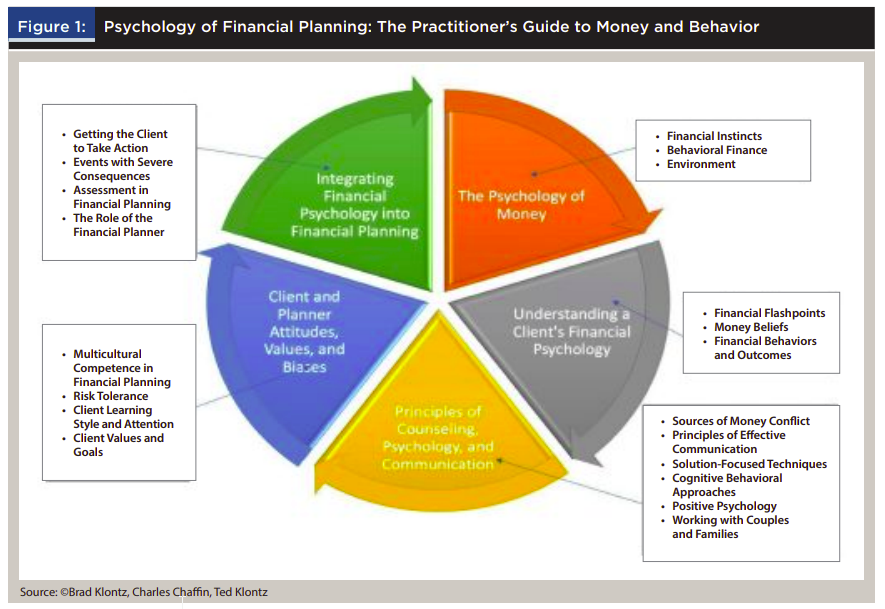
In conclusion, emotions play a crucial role in shaping our financial decisions. By understanding how emotions like fear, greed, and overconfidence can influence our behavior, we can take steps to mitigate their impact and make more rational investment choices. Developing a disciplined investment plan and seeking professional guidance can help us navigate the complexities of the financial markets with a clear and objective mindset.
Herd Mentality and its Impact on Financial Markets
Herd mentality is another behavioral finance principle that can have a significant impact on financial markets. This phenomenon refers to the tendency of individuals to follow the actions of the crowd, even if it goes against their own judgment. In the context of investing, herd mentality can lead to market bubbles and crashes as investors flock to popular assets or industries without conducting their own research. This can result in overvalued stocks and unsustainable market trends, ultimately leading to financial losses for those caught up in the herd.

To avoid falling victim to herd mentality, it is essential to conduct thorough research and analysis before making investment decisions. By taking the time to understand the fundamentals of an asset or industry, you can make informed choices based on your own convictions rather than following the crowd. Additionally, diversifying your portfolio can help mitigate the risks associated with herd behavior, as it spreads your investments across different assets and reduces your exposure to any single market trend.
In conclusion, herd mentality can have a significant impact on financial markets, leading to irrational decision-making and market bubbles. By conducting your own research, staying true to your investment strategy, and diversifying your portfolio, you can avoid falling victim to herd behavior and make more rational investment decisions in the long run.
Overcoming Confirmation Bias in Investment Decisions
Confirmation bias is a cognitive bias that can have a detrimental effect on investment decisions. This bias refers to the tendency of individuals to seek out information that confirms their existing beliefs and ignore evidence that contradicts them. In the context of investing, confirmation bias can lead to overconfidence in one’s investment decisions and cause investors to overlook potential risks or warning signs. This can result in poor investment outcomes and missed opportunities for diversification and risk management.
To overcome confirmation bias in investment decisions, it is essential to remain open-minded and consider a diverse range of perspectives and information sources. By actively seeking out conflicting viewpoints and conducting thorough research on potential investments, you can make more informed choices based on objective analysis rather than subjective beliefs. Additionally, working with a financial advisor or investment professional can provide an unbiased perspective and help you avoid falling victim to confirmation bias in your decision-making process.
In conclusion, confirmation bias can hinder investment decision-making by leading individuals to overlook important information and rely on subjective beliefs. By remaining open-minded, seeking out diverse perspectives, and working with a professional advisor, you can overcome confirmation bias and make more rational investment choices based on objective analysis and thorough research.
The Impact of Loss Aversion on Investor Behavior
Loss aversion is a behavioral finance principle that describes the tendency of individuals to prefer avoiding losses over acquiring gains. This bias can lead investors to hold onto losing investments for too long in the hopes of recouping their losses, even when it may be more beneficial to cut their losses and move on. This can result in missed opportunities for portfolio growth and increased risk exposure as investors hold onto underperforming assets out of fear of realizing a loss.
To combat the impact of loss aversion on investor behavior, it is essential to set clear investment goals and risk management strategies. By establishing predetermined exit points for each investment and sticking to them, you can avoid succumbing to the emotional attachment to losing positions and make more objective decisions based on market conditions and your financial objectives. Additionally, regularly reviewing and rebalancing your portfolio can help you maintain a diversified and disciplined approach to investing, minimizing the impact of loss aversion on your overall investment strategy.
In conclusion, loss aversion can have a significant impact on investor behavior by leading individuals to hold onto losing investments out of fear of realizing a loss. By setting clear investment goals, establishing risk management strategies, and regularly reviewing your portfolio, you can overcome the influence of loss aversion and make more rational investment decisions based on your financial objectives and market conditions.
The Role of Anchoring Bias in Investment Decisions
Anchoring bias is a cognitive bias that can influence investment decisions by causing individuals to rely too heavily on a specific piece of information or reference point when making choices. In the context of investing, anchoring bias can lead investors to fixate on past performance or arbitrary price points as a reference for evaluating the value of an asset. This can result in irrational decision-making, as investors may overlook changing market conditions or new information that should impact their investment decisions.
To overcome anchoring bias in investment decisions, it is essential to conduct thorough research and analysis of potential investment opportunities. By considering a diverse range of information sources and viewpoints, you can avoid fixating on a single reference point and make more informed choices based on the current market environment. Additionally, regularly reviewing and adjusting your investment thesis based on new information can help you avoid falling victim to anchoring bias and make more objective decisions in line with your financial goals.
In conclusion, anchoring bias can impact investment decisions by causing individuals to rely too heavily on a specific reference point or piece of information. By conducting thorough research, considering a diverse range of viewpoints, and regularly reviewing your investment thesis, you can overcome anchoring bias and make more rational investment choices based on the current market environment and your financial objectives.
Regret Aversion and its Influence on Investment Behavior
Regret aversion is a behavioral finance principle that describes the tendency of individuals to avoid taking risks that may lead to feelings of regret in the future. This bias can impact investment decisions by causing investors to stick to familiar assets or investment strategies, even when it may be more beneficial to explore new opportunities or diversify their portfolios. By staying within their comfort zone, investors may miss out on potential growth opportunities and fail to adequately manage risk in their portfolios.
To overcome the influence of regret aversion on investment behavior, it is important to take a proactive approach to risk management and embrace a mindset of continuous learning and adaptation. By regularly reviewing and adjusting your investment strategy based on changing market conditions and new information, you can avoid falling victim to regret aversion and make more informed choices that align with your financial goals. Additionally, seeking the guidance of a financial advisor or investment professional can provide an objective perspective and help you navigate the complexities of the financial markets with a clear and rational mindset.
In conclusion, regret aversion can impact investment behavior by causing individuals to avoid taking risks that may lead to feelings of regret in the future. By embracing a proactive approach to risk management, staying open to new opportunities, and seeking professional guidance, you can overcome regret aversion and make more rational investment decisions based on your financial objectives and market conditions.
Overconfidence Bias and its Effects on Investment Outcomes
Overconfidence bias is a cognitive bias that can have a significant impact on investment outcomes by causing individuals to overestimate their knowledge, skills, and abilities. In the context of investing, overconfidence bias can lead investors to take excessive risks, ignore warning signs, and make decisions based on subjective beliefs rather than objective analysis. This can result in poor investment outcomes, missed opportunities for diversification, and increased exposure to market volatility.
To overcome the influence of overconfidence bias on investment outcomes, it is essential to adopt a humble and disciplined approach to investing. By acknowledging the limitations of your knowledge and expertise, seeking out diverse perspectives, and conducting thorough research and analysis, you can make more informed choices based on objective data and market fundamentals. Additionally, regularly reviewing your investment performance and seeking feedback from trusted advisors can help you avoid falling victim to overconfidence bias and improve your overall investment outcomes.
In conclusion, overconfidence bias can have a detrimental effect on investment outcomes by causing individuals to overestimate their knowledge and skills. By adopting a humble and disciplined approach to investing, seeking out diverse perspectives, and conducting thorough research, you can overcome overconfidence bias and make more rational investment decisions based on objective analysis and market fundamentals.
Behavioral Finance and the Importance of Self-Awareness in Investing
Behavioral finance principles emphasize the importance of self-awareness in understanding and managing our behavior when it comes to investing. By recognizing our own biases, emotions, and cognitive limitations, we can develop a more disciplined and rational approach to making financial decisions. Self-awareness allows us to identify potential pitfalls in our decision-making process, seek out objective viewpoints, and take steps to mitigate the impact of cognitive biases on our investment outcomes.
One way to cultivate self-awareness in investing is to engage in regular reflection and self-assessment of your investment decisions. By analyzing your past choices,