Understanding Umbrella Insurance Policy
Umbrella insurance is a type of liability insurance that provides additional coverage beyond the limits of your existing insurance policies. It acts as an extra layer of protection to safeguard your assets in case you are sued for damages or injuries that exceed the limits of your primary insurance policies. While umbrella insurance is not mandatory, it is highly recommended for individuals with significant assets or those who are at a higher risk of lawsuits.
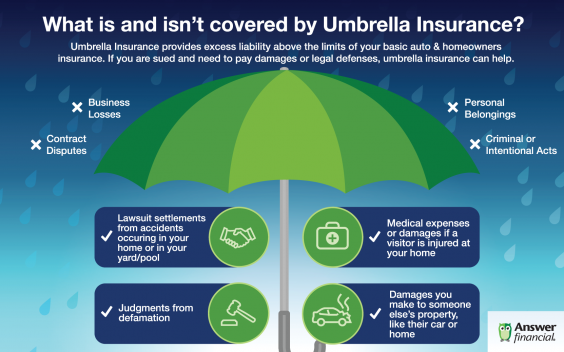
One of the key benefits of umbrella insurance is that it provides coverage for a wide range of liability claims, including bodily injury, property damage, libel, and slander. This means that you are protected against various types of lawsuits that may arise from accidents or incidents involving you or your property. Additionally, umbrella insurance can also provide coverage for legal fees and settlement costs, which can be substantial in the event of a lawsuit.
When determining the amount of umbrella insurance coverage you need, it is important to consider your assets, income, and potential risks. Your insurance agent can help you assess your current insurance policies and recommend an appropriate amount of coverage to protect your assets and financial well-being. Keep in mind that umbrella insurance is relatively affordable compared to the level of protection it provides, making it a cost-effective way to ensure your peace of mind.
Benefits of Umbrella Insurance
There are several benefits of having an umbrella insurance policy. One of the main benefits is the increased liability coverage it offers. While your primary insurance policies may have coverage limits, umbrella insurance can provide additional protection in case you are sued for damages that exceed those limits. This can help safeguard your assets and prevent financial ruin in the event of a lawsuit.
Another benefit of umbrella insurance is that it can provide coverage for a wide range of liability claims. This includes not only bodily injury and property damage but also claims related to libel, slander, and false arrest. Having umbrella insurance can give you peace of mind knowing that you are protected against various types of lawsuits that may arise from unforeseen circumstances.
In addition to increased liability coverage, umbrella insurance can also provide coverage for legal fees and settlement costs. This can be particularly helpful in the event of a lawsuit, where the costs of defending yourself in court can be substantial. With umbrella insurance, you can rest assured that you have the financial protection you need to cover these expenses and focus on resolving the legal matter at hand.
Who Needs Umbrella Insurance?
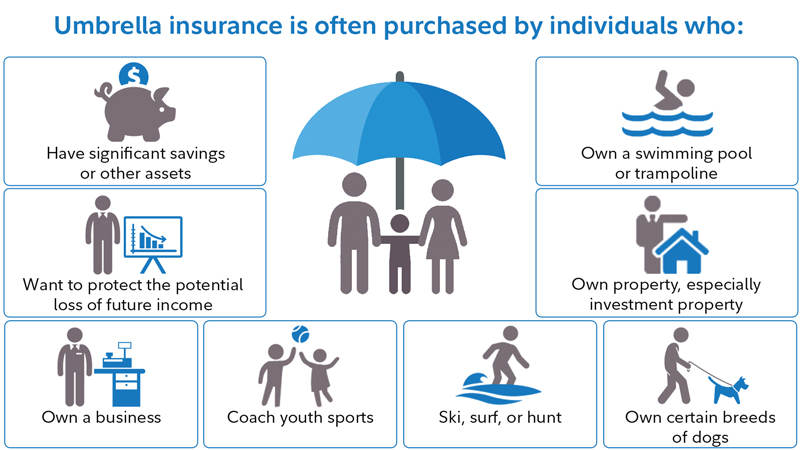
Umbrella insurance is recommended for individuals who have significant assets or are at a higher risk of lawsuits. If you own a home, have a high net worth, or engage in activities that could potentially lead to liability claims, such as owning a swimming pool or hosting parties, umbrella insurance can provide an extra layer of protection to safeguard your assets. Additionally, if you have a high income or substantial savings, umbrella insurance can help protect your financial well-being in the event of a lawsuit.
It is also important to consider umbrella insurance if you have teenage drivers in your household or own rental properties. Teenage drivers are more likely to be involved in accidents, which could result in liability claims against you. Similarly, rental properties can expose you to liability risks, such as slip-and-fall accidents or property damage claims. By having umbrella insurance, you can protect yourself against these potential risks and ensure that your assets are secure.
Overall, umbrella insurance is a valuable investment for individuals who want to protect their assets and financial well-being from unforeseen liability claims. While it is not mandatory, having umbrella insurance can provide you with peace of mind knowing that you have added protection in case of a lawsuit.
How Umbrella Insurance Works
Umbrella insurance works by providing additional liability coverage beyond the limits of your primary insurance policies. When you purchase an umbrella insurance policy, you are essentially buying an extra layer of protection that kicks in once the limits of your primary policies have been exhausted. This means that if you are sued for damages or injuries that exceed the coverage limits of your auto, home, or other insurance policies, your umbrella insurance policy will provide additional coverage.
For example, if you are involved in a car accident and the other party sues you for medical expenses, lost wages, and pain and suffering that exceed the limits of your auto insurance policy, your umbrella insurance policy would come into play to cover the remaining costs. Similarly, if someone is injured on your property and sues you for damages that exceed the limits of your homeowners insurance policy, your umbrella insurance policy would provide additional coverage for the lawsuit.
In addition to providing coverage for liability claims, umbrella insurance can also cover legal fees and settlement costs associated with a lawsuit. This can be particularly helpful in cases where the costs of defending yourself in court are high. With umbrella insurance, you can have the financial protection you need to navigate the legal process and ensure that your assets are safeguarded.
How to Choose the Right Umbrella Insurance Policy
When choosing an umbrella insurance policy, it is important to consider several factors to ensure that you have the right amount of coverage to protect your assets. One of the key factors to consider is your assets and net worth. Your insurance agent can help you assess your financial situation and recommend an appropriate amount of coverage based on the value of your assets and potential risks.
Another important factor to consider is your risk exposure. If you engage in activities that could potentially lead to liability claims, such as owning a swimming pool or hosting parties, you may need a higher level of coverage to protect yourself against lawsuits. Similarly, if you have teenage drivers in your household or own rental properties, you may be at a higher risk of liability claims and need additional coverage.
It is also important to review your existing insurance policies to determine the coverage limits and exclusions. Your umbrella insurance policy should complement your primary insurance policies and provide coverage for gaps in protection. Your insurance agent can help you review your policies and recommend a suitable umbrella insurance policy that meets your needs and budget.
Overall, choosing the right umbrella insurance policy is essential to ensure that you have the necessary protection to safeguard your assets and financial well-being. By working with an experienced insurance agent and evaluating your assets and risk exposure, you can select a policy that provides you with peace of mind knowing that you are adequately protected against unforeseen liability claims.
Cost of Umbrella Insurance
The cost of umbrella insurance can vary depending on several factors, including the amount of coverage you need, your risk exposure, and your insurance provider. Generally, umbrella insurance is relatively affordable compared to the level of protection it provides, making it a cost-effective way to safeguard your assets and financial well-being. The average cost of umbrella insurance is around $150 to $300 per year for a $1 million policy, which is a small price to pay for the added peace of mind it offers.
When determining the cost of umbrella insurance, your insurance agent will assess your assets, income, and potential risks to recommend an appropriate amount of coverage. Factors that can affect the cost of umbrella insurance include your driving record, credit history, and claims history. By maintaining a good driving record and credit score, you may be eligible for discounts on your umbrella insurance policy.
It is important to review your umbrella insurance policy annually to ensure that you have the right amount of coverage to protect your assets. Your insurance agent can help you assess any changes in your financial situation or risk exposure and adjust your coverage accordingly. By staying informed about your umbrella insurance policy and working with a reputable insurance provider, you can ensure that you have the necessary protection at a reasonable cost.
Claims Process for Umbrella Insurance
In the event that you need to file a claim on your umbrella insurance policy, it is important to understand the claims process to ensure a smooth and efficient resolution. The first step in the claims process is to notify your insurance provider as soon as possible after the incident occurs. Your insurance agent can guide you through the process and help you gather the necessary documentation to support your claim.
Once you have filed a claim, your insurance provider will review the details of the incident and assess the coverage under your umbrella insurance policy. This may include conducting an investigation, obtaining statements from witnesses, and evaluating the extent of the damages or injuries. Your insurance provider will then make a determination on the validity of the claim and the amount of coverage that applies.
If your claim is approved, your insurance provider will work with you to settle the claim and provide the necessary funds to cover the damages or injuries. This may include paying for medical expenses, lost wages, and property damage, as well as legal fees and settlement costs. Your insurance agent can help facilitate the claims process and ensure that you receive the full benefits of your umbrella insurance policy.
In the event that your claim is denied, you have the right to appeal the decision and provide additional evidence to support your claim. Your insurance agent can assist you in navigating the appeals process and advocating for a fair resolution. By understanding the claims process for umbrella insurance and working closely with your insurance provider, you can ensure that your assets are protected in the event of a lawsuit.
Conclusion
In conclusion, umbrella insurance is a valuable investment for individuals who want to protect their assets and financial well-being from unforeseen liability claims. By providing additional coverage beyond the limits of your primary insurance policies, umbrella insurance offers an extra layer of protection to safeguard your assets in the event of a lawsuit. With benefits such as increased liability coverage, coverage for a wide range of liability claims, and protection against legal fees and settlement costs, umbrella insurance can provide you with peace of mind knowing that you are adequately protected.
When choosing an umbrella insurance policy, it is important to consider factors such as your assets, risk exposure, and existing insurance policies to ensure that you have the right amount of coverage. By working with an experienced insurance agent and evaluating your financial situation, you can select a policy that meets your needs and budget. Additionally, understanding the claims process for umbrella insurance can help you navigate the process efficiently and effectively in the event that you need to file a claim.
Overall