The Importance of Financial Risk Management
Financial risk management is a crucial aspect of any business, as it helps to identify, assess, and mitigate potential risks that could impact the financial health of the organization. By proactively managing risks, businesses can protect their assets, ensure financial stability, and make informed decisions to achieve their goals. Effective financial risk management also helps businesses to comply with regulatory requirements and improve their overall performance.
One of the key benefits of financial risk management is that it allows businesses to identify and assess potential risks before they become a problem. By conducting a thorough risk assessment, businesses can identify areas of vulnerability and develop strategies to mitigate these risks. This proactive approach not only helps businesses to avoid potential financial losses but also allows them to take advantage of opportunities for growth and expansion.

In addition to protecting against financial losses, effective financial risk management can also improve a company’s overall performance. By identifying and managing risks, businesses can make more informed decisions, allocate resources more effectively, and improve their overall financial health. This can lead to increased profitability, growth, and competitiveness in the marketplace.
Types of Financial Risks
There are several types of financial risks that businesses need to be aware of and manage effectively. These include market risk, credit risk, liquidity risk, operational risk, and legal and regulatory risk. Market risk refers to the potential for losses due to changes in market conditions, such as interest rates, exchange rates, and commodity prices. Credit risk involves the potential for losses due to the inability of counterparties to fulfill their obligations. Liquidity risk refers to the potential for losses due to the inability to meet financial obligations as they come due. Operational risk involves the potential for losses due to internal processes, systems, or human error. Legal and regulatory risk refers to the potential for losses due to non-compliance with laws and regulations.
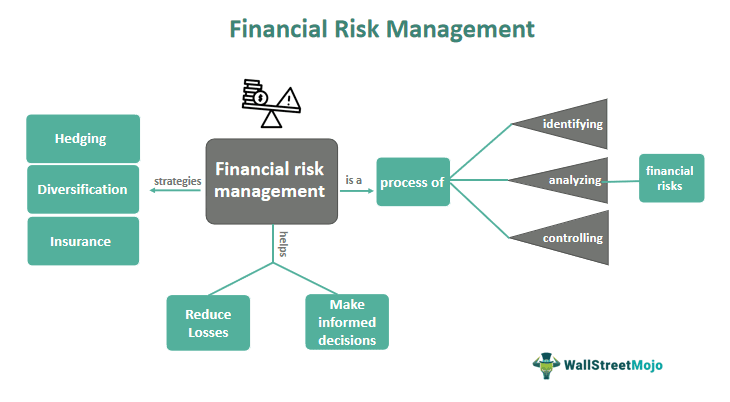
Each type of financial risk requires a different approach to management. For example, market risk can be managed through diversification, hedging, and other risk mitigation strategies. Credit risk can be managed through credit analysis, monitoring, and risk transfer mechanisms. Liquidity risk can be managed through cash flow forecasting, liquidity management, and access to credit facilities. Operational risk can be managed through internal controls, risk management policies, and employee training. Legal and regulatory risk can be managed through compliance programs, legal advice, and regulatory monitoring.
Tools and Techniques for Financial Risk Management
There are a variety of tools and techniques that businesses can use to manage financial risks effectively. Some common tools include risk assessment frameworks, risk registers, risk matrices, risk heat maps, and risk management policies. Risk assessment frameworks help businesses to identify, assess, and prioritize risks based on their likelihood and impact. Risk registers are used to document and track risks, along with their potential consequences and mitigation strategies. Risk matrices are used to visualize and analyze risks based on their likelihood and impact. Risk heat maps are used to highlight high-risk areas and prioritize risk management efforts. Risk management policies outline the procedures and responsibilities for managing risks within an organization.

In addition to these tools, businesses can also use various techniques to manage financial risks. These include risk avoidance, risk reduction, risk transfer, and risk acceptance. Risk avoidance involves avoiding activities or investments that pose a high level of risk. Risk reduction involves taking steps to mitigate risks, such as diversifying investments, hedging, and implementing internal controls. Risk transfer involves transferring risks to third parties, such as insurance companies or other financial institutions. Risk acceptance involves accepting risks that cannot be avoided or mitigated, such as the risk of doing business in a volatile market.
Best Practices for Financial Risk Management
There are several best practices that businesses can follow to enhance their financial risk management efforts. One best practice is to establish a risk management framework that outlines the policies, procedures, and responsibilities for managing risks within the organization. This framework should be aligned with the company’s overall business objectives and risk appetite. Another best practice is to conduct regular risk assessments to identify, assess, and prioritize risks based on their likelihood and impact. This will help businesses to develop strategies to mitigate risks and monitor their effectiveness over time.
It is also important for businesses to implement internal controls and monitoring mechanisms to identify and address risks in a timely manner. This may include implementing segregation of duties, regular audits, and monitoring key performance indicators. Businesses should also establish a risk management committee or department to oversee the risk management process and ensure that risks are being managed effectively. This committee should have the necessary expertise and authority to make decisions and take action to mitigate risks.
Challenges in Financial Risk Management
While financial risk management is essential for businesses, there are several challenges that organizations may face in effectively managing risks. One challenge is the dynamic nature of financial markets, which can make it difficult to predict and assess risks accurately. Market conditions, regulatory requirements, and economic factors can change rapidly, making it challenging for businesses to stay ahead of potential risks. Another challenge is the complexity of financial products and transactions, which can make it difficult to understand and evaluate the associated risks.
Another challenge in financial risk management is the interconnected nature of risks, which can make it difficult to isolate and manage individual risks. For example, a credit risk may be tied to market risk, liquidity risk, and operational risk, making it challenging to address in isolation. Additionally, businesses may face challenges in identifying emerging risks that are not yet well understood or documented. These risks may be related to technological advancements, changes in consumer behavior, or other external factors that can impact the financial health of the organization.
Benefits of Outsourcing Financial Risk Management
Outsourcing financial risk management can provide several benefits for businesses, particularly for small and medium-sized enterprises that may not have the expertise or resources to manage risks effectively in-house. By outsourcing risk management to a third-party provider, businesses can access specialized expertise, experience, and resources that can help them to identify, assess, and mitigate risks more effectively. This can lead to improved risk management practices, better decision-making, and enhanced financial performance.
Outsourcing financial risk management can also help businesses to reduce costs and increase efficiency by leveraging the expertise of external providers. Instead of hiring and training internal staff to manage risks, businesses can outsource this function to a provider who already has the necessary skills and resources. This can result in cost savings, improved risk management practices, and better overall performance. Additionally, outsourcing risk management can help businesses to focus on their core activities and strategic priorities, while leaving the management of risks to experts who specialize in this area.
Case Studies in Financial Risk Management
There are many examples of businesses that have successfully implemented financial risk management strategies to protect their assets, improve their financial performance, and achieve their goals. One such example is a multinational corporation that operates in multiple countries and is exposed to various market risks, currency risks, and regulatory risks. By implementing a comprehensive risk management framework, this company was able to identify, assess, and mitigate these risks effectively, leading to improved financial stability and performance.
Another example is a small business that was facing liquidity challenges due to a downturn in the economy and cash flow problems. By working with a financial risk management consultant, this business was able to develop a cash flow forecasting model, implement cost-saving measures, and secure additional financing to overcome these challenges. As a result, the business was able to improve its liquidity position, avoid financial distress, and continue to grow and expand.
Conclusion
In conclusion, financial risk management is a critical aspect of any business, as it helps to protect assets, ensure financial stability, and make informed decisions to achieve business goals. By proactively identifying, assessing, and mitigating risks, businesses can improve their overall financial performance, comply with regulatory requirements, and protect against potential losses. There are various types of financial risks that businesses need to be aware of, such as market risk, credit risk, liquidity risk, operational risk, and legal and regulatory risk. By using tools and techniques such as risk assessment frameworks, risk registers, and risk management policies, businesses can effectively manage risks and enhance their financial health. Outsourcing financial risk management can provide several benefits for businesses, such as accessing specialized expertise, reducing costs, and improving efficiency. By following best practices for financial risk management, businesses can enhance their risk management efforts and achieve sustainable growth and success.