Retirement Withdrawal Strategies: Ensuring Financial Security in Your Golden Years
1. The Importance of Planning Your Retirement Withdrawal Strategy
As you near retirement age, it’s crucial to have a solid plan in place for how you will withdraw funds from your retirement accounts. Without careful planning, you run the risk of outliving your savings or depleting your funds too quickly. By developing a retirement withdrawal strategy, you can ensure that you have enough money to cover your expenses throughout your retirement years.
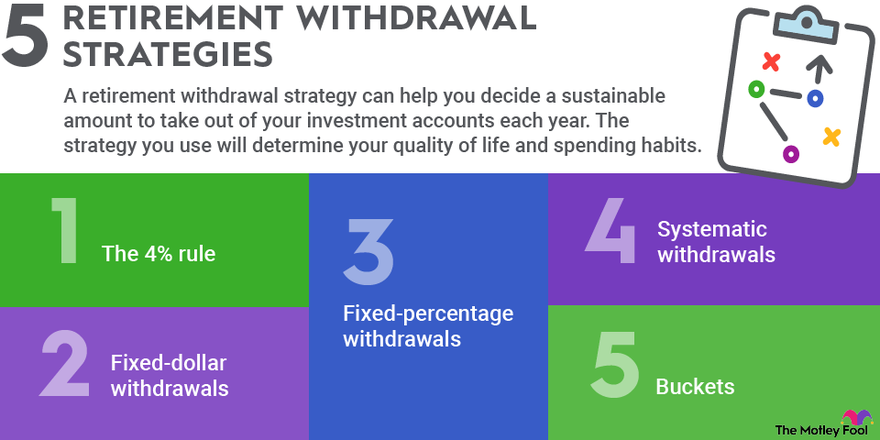
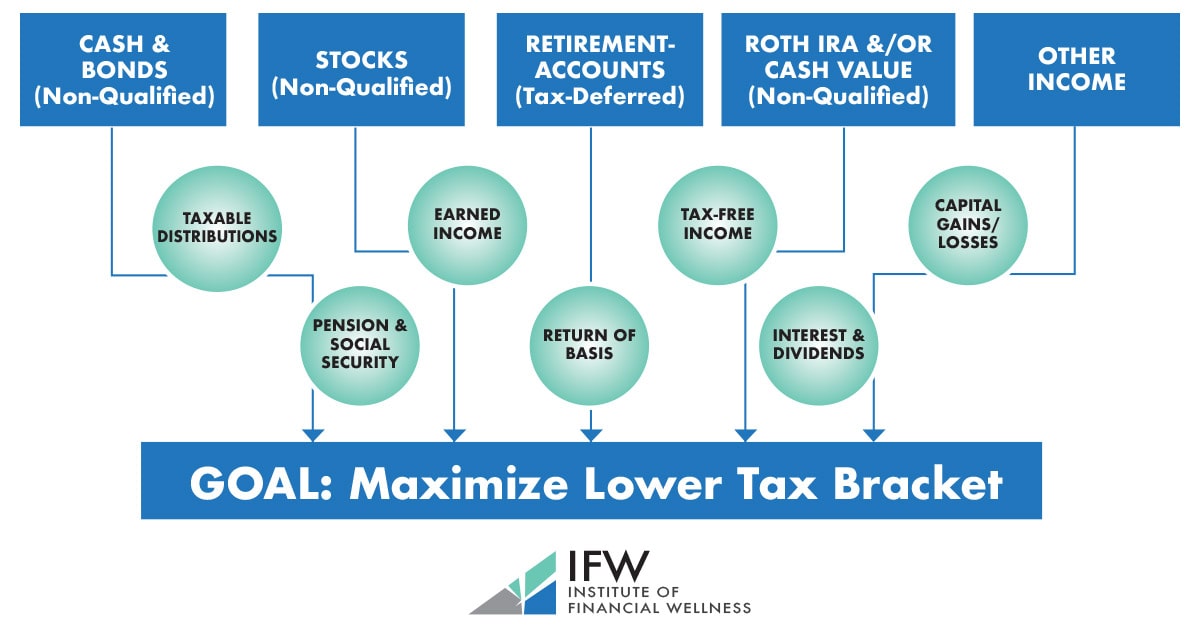
One key factor to consider when planning your retirement withdrawal strategy is the sequence in which you withdraw funds from your various retirement accounts. For example, you may want to start by withdrawing funds from your taxable accounts, followed by tax-deferred accounts like traditional IRAs and 401(k)s, and finally tax-free accounts like Roth IRAs. This approach can help you minimize your tax liability and make your retirement savings last longer.
Another important aspect of planning your retirement withdrawal strategy is determining how much you can safely withdraw each year without running out of money. One commonly used rule of thumb is the 4% rule, which suggests that you can safely withdraw 4% of your retirement savings each year without depleting your funds. However, it’s important to consider factors like inflation, market volatility, and your individual spending needs when determining your withdrawal rate.
In conclusion, planning your retirement withdrawal strategy is essential for ensuring financial security in your golden years. By carefully considering factors like the sequence of withdrawals and withdrawal rate, you can make informed decisions that will help you make your retirement savings last a lifetime.
2. Strategies for Minimizing Taxes on Retirement Withdrawals
When it comes to withdrawing funds from your retirement accounts, taxes can have a significant impact on the amount of money you have available for your living expenses. To minimize the tax burden on your retirement withdrawals, consider implementing strategies like tax diversification, Roth conversions, and strategic timing of withdrawals.
One effective strategy for minimizing taxes on retirement withdrawals is to maintain a mix of different types of retirement accounts, including taxable, tax-deferred, and tax-free accounts. By diversifying your tax exposure, you can have more flexibility in managing your tax liability in retirement. For example, you may choose to withdraw funds from taxable accounts during years when your income is lower, thus reducing your tax bill.
Another strategy for minimizing taxes on retirement withdrawals is to consider converting some of your traditional IRA or 401(k) funds to a Roth IRA. While you will need to pay taxes on the amount converted, Roth withdrawals are tax-free in retirement, potentially saving you money in the long run. Strategic timing of Roth conversions can help you take advantage of lower tax rates or years with lower income.
In conclusion, minimizing taxes on retirement withdrawals is an important consideration for maximizing your retirement income. By implementing strategies like tax diversification and Roth conversions, you can reduce your tax liability and keep more of your hard-earned savings for your own use.
3. Choosing the Right Withdrawal Strategy for Social Security Benefits
Social Security benefits can be a key source of income in retirement, but the timing of when you claim benefits can have a significant impact on the amount you receive. When it comes to choosing a withdrawal strategy for Social Security benefits, there are several factors to consider, including your life expectancy, marital status, and overall financial situation.
One important consideration when choosing a withdrawal strategy for Social Security benefits is your life expectancy. While you can begin claiming benefits as early as age 62, delaying benefits can result in higher monthly payments. If you expect to live a long life, waiting to claim benefits may be a more financially sound decision.
Another factor to consider when choosing a withdrawal strategy for Social Security benefits is your marital status. If you are married, you and your spouse may be able to maximize your benefits by coordinating your claiming strategies. For example, one spouse may choose to claim benefits early while the other delays benefits to maximize the survivor benefit.
In conclusion, choosing the right withdrawal strategy for Social Security benefits is an important decision that can have a significant impact on your retirement income. By considering factors like your life expectancy and marital status, you can make informed decisions that will help you make the most of your Social Security benefits.
4. Strategies for Managing Healthcare Costs in Retirement
One of the biggest expenses retirees face is healthcare costs, which can quickly eat into your retirement savings if not properly managed. To ensure that you can cover your healthcare expenses in retirement, consider implementing strategies like enrolling in Medicare on time, exploring supplemental insurance options, and saving for healthcare expenses in advance.
One important strategy for managing healthcare costs in retirement is to enroll in Medicare on time. Medicare eligibility begins at age 65, and failing to enroll on time can result in penalties and gaps in coverage. By enrolling in Medicare when you are first eligible, you can ensure that you have access to affordable healthcare coverage throughout your retirement years.
Another strategy for managing healthcare costs in retirement is to explore supplemental insurance options like Medigap or Medicare Advantage plans. These plans can help cover expenses that are not included in traditional Medicare coverage, such as prescription drugs, dental care, and vision services. By choosing the right supplemental insurance plan for your needs, you can reduce your out-of-pocket healthcare expenses.
In conclusion, managing healthcare costs in retirement is essential for maintaining your financial security in your golden years. By enrolling in Medicare on time, exploring supplemental insurance options, and saving for healthcare expenses in advance, you can ensure that you have the resources to cover your healthcare needs throughout retirement.
5. Strategies for Managing Long-Term Care Costs in Retirement
Long-term care costs can be a significant expense in retirement, especially if you require specialized care due to illness or disability. To manage long-term care costs in retirement, consider strategies like purchasing long-term care insurance, exploring alternative care options, and creating a long-term care plan in advance.
One effective strategy for managing long-term care costs in retirement is to purchase long-term care insurance. This type of insurance can help cover expenses like nursing home care, assisted living facilities, and in-home care services. By purchasing long-term care insurance before you need it, you can protect your assets and ensure that you have access to the care you need in the future.
Another strategy for managing long-term care costs in retirement is to explore alternative care options, such as community-based programs or adult day care services. These less expensive options can help you save money on long-term care expenses while still receiving the care and support you need. By researching different care options in advance, you can make informed decisions that will help you manage your long-term care costs effectively.
In conclusion, managing long-term care costs in retirement is an important consideration for ensuring your financial security in your later years. By purchasing long-term care insurance, exploring alternative care options, and creating a long-term care plan in advance, you can be better prepared to handle the costs of long-term care when the time comes.
6. Strategies for Protecting Your Retirement Savings in a Volatile Market
Market volatility can have a significant impact on your retirement savings, potentially causing your investments to lose value and affecting your withdrawal strategy. To protect your retirement savings in a volatile market, consider strategies like diversifying your investments, maintaining a long-term perspective, and revisiting your withdrawal rate as needed.
One important strategy for protecting your retirement savings in a volatile market is to diversify your investments across different asset classes, such as stocks, bonds, and cash equivalents. By spreading your investments across a variety of assets, you can reduce your exposure to market fluctuations and minimize the risk of losing a significant portion of your savings. Diversification can help you weather market downturns and preserve your retirement nest egg.
Another strategy for protecting your retirement savings in a volatile market is to maintain a long-term perspective when making investment decisions. While market fluctuations can be concerning, it’s important to remember that investments tend to fluctuate over time and that short-term losses may be offset by long-term gains. By staying focused on your long-term financial goals and avoiding knee-jerk reactions to market volatility, you can protect your retirement savings and avoid making hasty decisions that could harm your financial security.
In conclusion, protecting your retirement savings in a volatile market requires careful planning and a disciplined approach to investing. By diversifying your investments, maintaining a long-term perspective, and revisiting your withdrawal rate as needed, you can navigate market fluctuations and ensure that your retirement savings remain secure.
7. Strategies for Adjusting Your Withdrawal Strategy in Retirement
Retirement is a dynamic phase of life, and your financial needs and circumstances may change over time. To ensure that your withdrawal strategy remains effective in retirement, consider strategies like monitoring your spending, revisiting your asset allocation, and adjusting your withdrawal rate as needed.
One important strategy for adjusting your withdrawal strategy in retirement is to monitor your spending habits and adjust your budget accordingly. As you progress through retirement, your expenses may fluctuate due to factors like healthcare costs, travel expenses, or changes in your lifestyle. By keeping track of your spending and making adjustments to your budget as needed, you can ensure that your withdrawal strategy aligns with your current financial situation.
Another strategy for adjusting your withdrawal strategy in retirement is to revisit your asset allocation periodically and make changes as needed. As you age, you may want to adjust your investment mix to reduce risk and preserve your retirement savings. By periodically rebalancing your portfolio and reallocating assets to match your risk tolerance and financial goals, you can ensure that your retirement savings remain on track.
In conclusion, adjusting your withdrawal strategy in retirement is essential for maintaining your financial security and adapting to changing circumstances. By monitoring your spending, revisiting your asset allocation, and adjusting your withdrawal rate as needed, you can ensure that your retirement savings continue to support your lifestyle throughout your retirement years.
8. Strategies for Leaving a Legacy Through Your Retirement Withdrawal Strategy
While retirement is primarily about