The Basics of REITs: What You Need to Know
Real Estate Investment Trusts (REITs) are companies that own, operate, or finance income-producing real estate. By investing in REITs, individuals can gain exposure to real estate without having to buy or manage properties themselves. REITs typically pay out a majority of their income to shareholders in the form of dividends, making them a popular choice for income-seeking investors.
One of the key advantages of investing in REITs is their potential for strong long-term returns. Historically, REITs have outperformed other asset classes such as stocks and bonds, providing investors with a way to grow their wealth over time. Additionally, REITs offer diversification benefits, as they often have low correlation with other types of investments.

Another benefit of investing in REITs is their tax efficiency. Because REITs are required by law to distribute a majority of their income to shareholders, they are not subject to corporate income tax. This means that investors can potentially receive higher dividends than they would from other types of investments without having to pay as much in taxes.
In summary, REITs are a popular choice for investors looking to grow their wealth smarter. By providing exposure to real estate, strong long-term returns, diversification benefits, and tax efficiency, REITs offer a compelling investment opportunity for individuals seeking to build wealth over time.
Why REITs Can Help You Achieve Financial Independence

For individuals looking to achieve financial independence, REITs can be a valuable tool in their investment arsenal. One of the key advantages of investing in REITs is their ability to generate passive income. Because REITs are required to distribute a majority of their income to shareholders, investors can receive regular dividends without having to actively manage their investments.
Additionally, REITs offer the potential for capital appreciation over time. As the value of the underlying real estate properties owned by the REITs increases, so too does the value of the shares held by investors. This can provide investors with a way to grow their wealth over the long term, helping them to achieve financial independence.

Another reason why REITs can help individuals achieve financial independence is their ability to provide diversification benefits. By investing in a diversified portfolio of REITs, investors can spread their risk across different types of real estate properties and geographic locations, reducing the impact of any one investment underperforming.
In conclusion, REITs can be a powerful tool for individuals looking to achieve financial independence. By providing passive income, capital appreciation, and diversification benefits, REITs offer a compelling investment opportunity for those seeking to build wealth and reach their financial goals.
Strategies for Growing Wealth Smarter with REITs
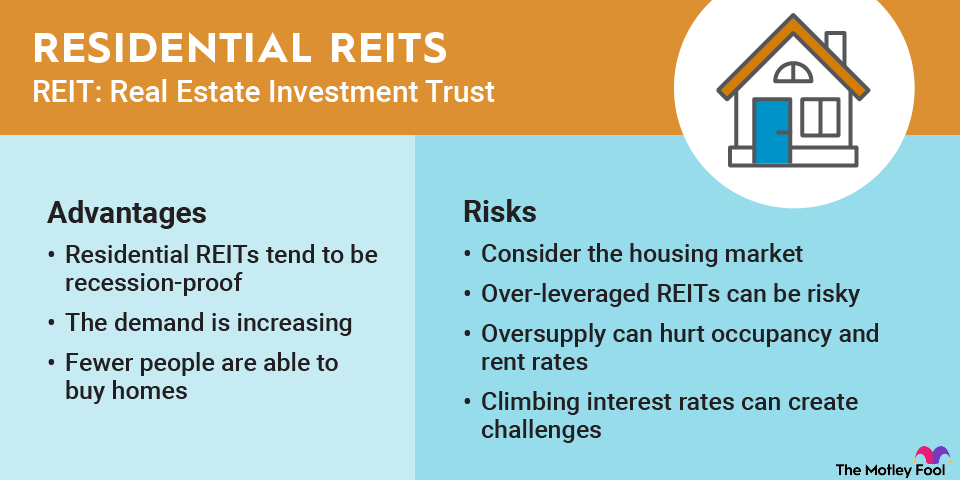
When it comes to growing wealth smarter with REITs, there are a few key strategies that investors can employ to maximize their returns. One strategy is to focus on diversification. By investing in a diversified portfolio of REITs, investors can spread their risk across different types of real estate properties and geographic locations, reducing the impact of any one investment underperforming.
Another strategy for growing wealth smarter with REITs is to reinvest dividends. Because REITs are required to distribute a majority of their income to shareholders, investors can choose to reinvest their dividends to purchase additional shares. This can help to accelerate the growth of their investment over time, as the compounding effect of reinvested dividends can lead to higher returns in the long run.

A third strategy for growing wealth smarter with REITs is to focus on long-term investing. While REITs can be volatile in the short term, over the long term they have historically provided strong returns to investors. By taking a long-term perspective and staying invested through market fluctuations, investors can maximize their chances of growing their wealth over time.
In summary, there are several strategies that investors can employ to grow wealth smarter with REITs. By focusing on diversification, reinvesting dividends, and taking a long-term perspective, investors can maximize their returns and build wealth over time.
Common Misconceptions About REITs
Despite the many benefits of investing in REITs, there are some common misconceptions that can prevent investors from taking advantage of this asset class. One misconception is that investing in REITs is the same as investing in the stock market. While REITs are publicly traded companies and their shares can be bought and sold on stock exchanges, they are fundamentally different from traditional stocks in that they own and operate real estate properties.
Another misconception about REITs is that they are highly sensitive to interest rate changes. While it is true that REITs can be impacted by changes in interest rates, they are not as sensitive to interest rate movements as some investors believe. In fact, in some cases, rising interest rates can be positive for REITs, as they can indicate a strong economy and increased demand for real estate.
A third misconception about REITs is that they are only suitable for income-seeking investors. While it is true that REITs are known for their high dividend yields, they also offer the potential for capital appreciation over time. By reinvesting dividends and taking a long-term perspective, investors can grow their wealth with REITs beyond just the income they receive.
In conclusion, it is important for investors to be aware of and address common misconceptions about REITs in order to fully capitalize on the benefits that this asset class can offer. By understanding the unique characteristics of REITs and how they differ from traditional stocks, investors can make more informed decisions about how to grow their wealth smarter with REITs.
How to Evaluate and Select the Right REITs for Your Portfolio
When it comes to selecting REITs for your investment portfolio, there are several factors to consider in order to maximize your chances of growing wealth smarter. One key factor to evaluate is the quality of the real estate properties owned by the REIT. Look for REITs that own properties in desirable locations with strong tenant demand, as this can help to ensure a steady stream of rental income.
Another factor to consider when selecting REITs is the track record and experience of the management team. Look for REITs with experienced management teams that have a history of successfully managing real estate properties and generating strong returns for shareholders. A competent management team can help to navigate market fluctuations and make strategic decisions that benefit investors.
A third factor to evaluate when selecting REITs is the financial health of the company. Look for REITs with strong balance sheets, low levels of debt, and consistent cash flow generation. A financially sound REIT is more likely to weather economic downturns and continue to provide dividends to shareholders, making it a more attractive investment opportunity.
In summary, there are several factors to consider when evaluating and selecting REITs for your portfolio. By focusing on the quality of the real estate properties, the experience of the management team, and the financial health of the company, investors can maximize their chances of growing wealth smarter with REITs.
How to Monitor and Manage Your REIT Investments
Once you have selected REITs for your investment portfolio, it is important to regularly monitor and manage your investments in order to ensure that they continue to grow your wealth smarter. One key aspect of managing REIT investments is to stay informed about market trends and developments that could impact the value of your investments. Keep an eye on factors such as interest rates, occupancy rates, and economic indicators that could affect the performance of your REITs.
Another important aspect of managing REIT investments is to review the financial performance of the companies in your portfolio on a regular basis. Monitor key metrics such as funds from operations (FFO), net operating income (NOI), and debt levels to ensure that the REITs in your portfolio are on track to deliver strong returns to shareholders. If necessary, consider rebalancing your portfolio to optimize your investment strategy.
A third aspect of managing REIT investments is to consider tax implications. Because REITs are required to distribute a majority of their income to shareholders, they can have unique tax considerations that investors should be aware of. Consult with a tax professional to understand how investing in REITs can impact your tax situation and make any necessary adjustments to maximize your after-tax returns.
In conclusion, monitoring and managing your REIT investments is crucial to growing your wealth smarter over time. By staying informed about market trends, reviewing financial performance, and considering tax implications, investors can optimize their REIT portfolio and maximize their returns.
FAQs About REITs
What are the different types of REITs?
There are several different types of REITs, including equity REITs, mortgage REITs, and hybrid REITs. Equity REITs own and operate income-producing real estate properties, mortgage REITs provide financing for real estate properties, and hybrid REITs combine elements of both equity and mortgage REITs.
How are REITs taxed?
REITs are required to distribute a majority of their income to shareholders in the form of dividends, which are taxed as ordinary income. However, because REITs are not subject to corporate income tax, investors may receive a tax deduction for a portion of the dividends they receive.
Are REITs a good investment for retirement savings?
REITs can be a good investment for retirement savings due to their potential for strong long-term returns, passive income generation, and diversification benefits. However, investors should carefully consider their risk tolerance and investment goals before including REITs in their retirement portfolio.