What is Cryptocurrency Staking?
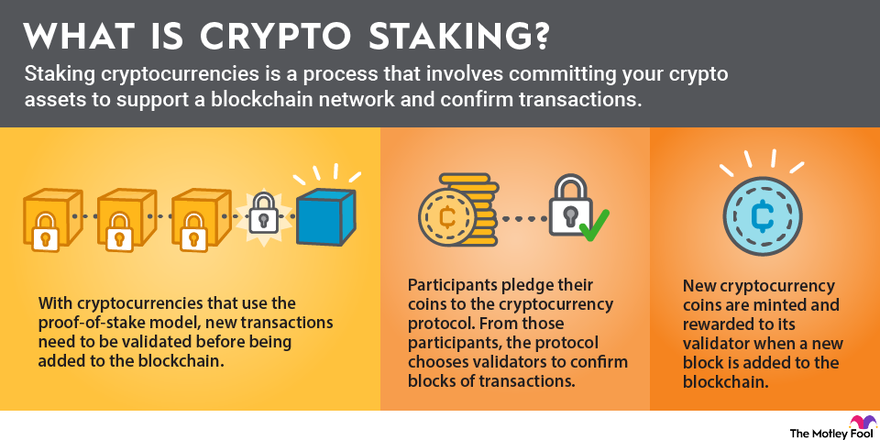
Cryptocurrency staking is a process where users lock up their tokens in a wallet to support the operations of a blockchain network. In return for staking their coins, users receive rewards in the form of additional tokens. This process helps secure the network and encourages users to hold onto their coins instead of selling them. Staking has become increasingly popular in the crypto space as it offers a way for users to earn passive income while contributing to the growth of a blockchain network.
Staking differs from traditional mining in that it does not require expensive hardware or a high level of technical expertise. Instead, users can stake their tokens using a wallet or platform that supports staking. This makes staking accessible to a wider range of users and allows them to participate in the network’s governance and decision-making processes.
Overall, cryptocurrency staking offers users a way to grow their wealth smarter by earning rewards on their holdings while supporting the operations of a blockchain network.
How Does Cryptocurrency Staking Work?
When a user stakes their tokens, they are essentially locking them up in a wallet to support the network’s operations. This process helps secure the network and validates transactions on the blockchain. In return for staking their coins, users receive rewards in the form of additional tokens. The amount of rewards a user receives is determined by various factors, such as the amount of tokens staked, the duration of the stake, and the network’s staking protocol.

Users can stake their tokens through a wallet or platform that supports staking. Once the tokens are staked, they are held in a smart contract and cannot be moved or traded until the staking period is complete. After the staking period is over, users can claim their rewards and withdraw their staked tokens.
Overall, cryptocurrency staking is a relatively simple process that allows users to earn passive income while supporting the operations of a blockchain network.
Benefits of Staking Crypto
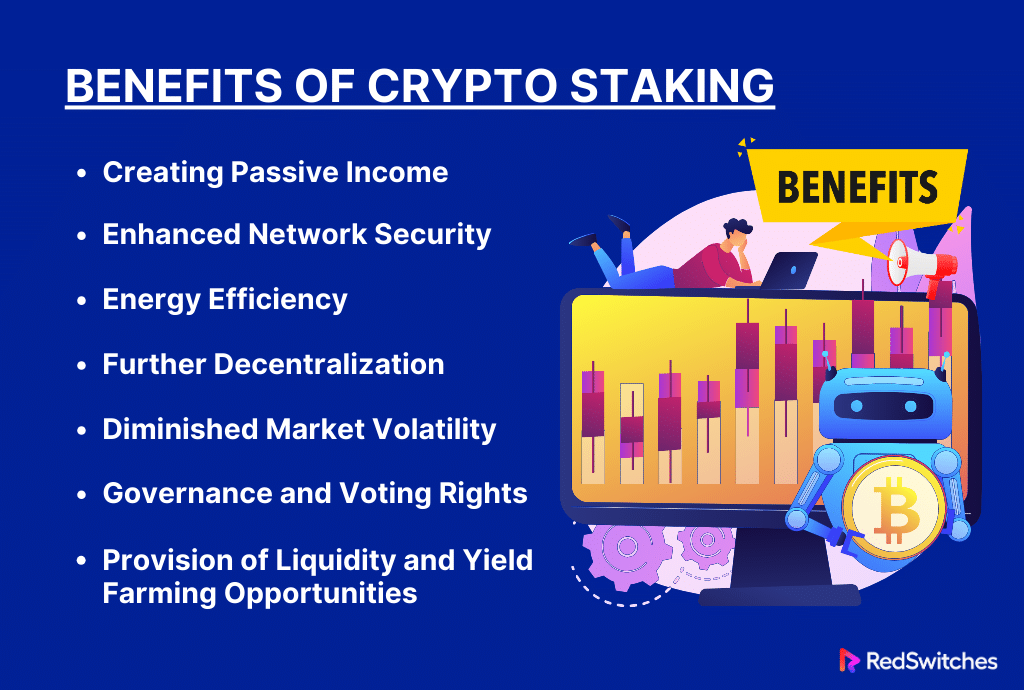
There are several benefits to staking cryptocurrency, including the ability to earn passive income, support the operations of a blockchain network, and participate in the network’s governance and decision-making processes. By staking their tokens, users can earn rewards in the form of additional tokens, which can help grow their wealth over time.
Additionally, staking helps secure the network and validates transactions on the blockchain. This process is essential for maintaining the network’s integrity and ensuring that transactions are processed efficiently and securely. By staking their tokens, users play a crucial role in supporting the operations of the network.

Furthermore, staking allows users to participate in the network’s governance and decision-making processes. By staking their tokens, users can vote on proposals and changes to the network, helping shape its future direction. This level of participation gives users a sense of ownership and control over the network, making staking a rewarding and engaging experience.
In conclusion, staking cryptocurrency offers users a way to grow their wealth smarter by earning rewards, supporting the network, and participating in its governance and decision-making processes.
FAQ
How much can I earn from staking crypto?
The amount you can earn from staking crypto depends on various factors, such as the amount of tokens staked, the duration of the stake, and the network’s staking protocol. Generally, users can expect to earn a percentage of their staked tokens as rewards over time.
Is staking crypto safe?
Staking crypto is generally considered safe, as long as users take proper precautions, such as using a secure wallet or platform and following best practices for securing their tokens. However, there are risks involved, such as the possibility of losing your staked tokens if the network is compromised.
Can I unstake my tokens at any time?
In most cases, users can unstake their tokens at any time, but there may be a waiting period before the tokens can be withdrawn. It’s important to check the staking protocol and terms of the platform you are using to understand any restrictions or requirements for unstaking your tokens.