What are Green Investing Funds?
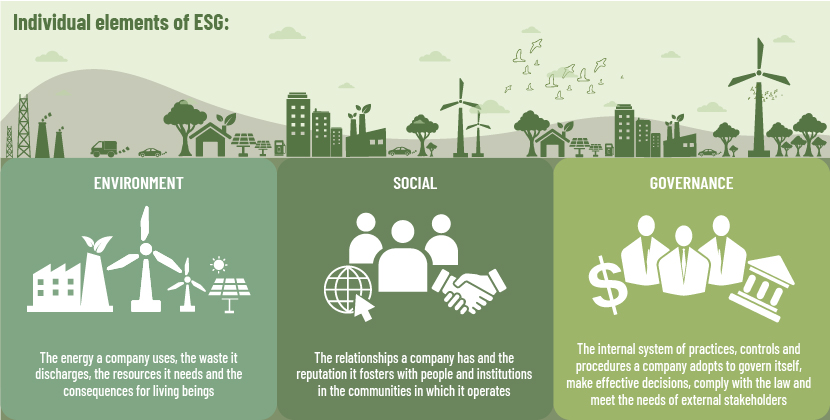
Green investing funds, also known as sustainable or socially responsible investment funds, are investment vehicles that prioritize environmental, social, and governance (ESG) criteria in their investment decisions. These funds aim to generate financial returns while also making a positive impact on the world by supporting companies that are committed to sustainability and responsible business practices. By investing in green funds, investors can align their financial goals with their values and contribute to a more sustainable future.
One of the key features of green investing funds is their focus on ESG factors when selecting investments. This means that fund managers consider a company’s environmental impact, social responsibility, and corporate governance practices when deciding where to invest. By taking these factors into account, green funds can help investors avoid companies with poor sustainability records and instead support those that are making a positive impact on the world.
Investing in green funds can also have financial benefits. Studies have shown that companies with strong ESG practices tend to outperform their peers over the long term. By investing in these companies through green funds, investors can potentially achieve competitive financial returns while also supporting sustainable businesses. Additionally, as awareness of environmental and social issues grows, companies with strong ESG practices may be better positioned to weather risks and capitalize on opportunities in a changing world.
In summary, green investing funds are investment vehicles that prioritize ESG criteria and aim to generate financial returns while making a positive impact on the world. By investing in green funds, investors can align their financial goals with their values, support sustainable businesses, and potentially achieve competitive financial returns.
Types of Green Investing Funds
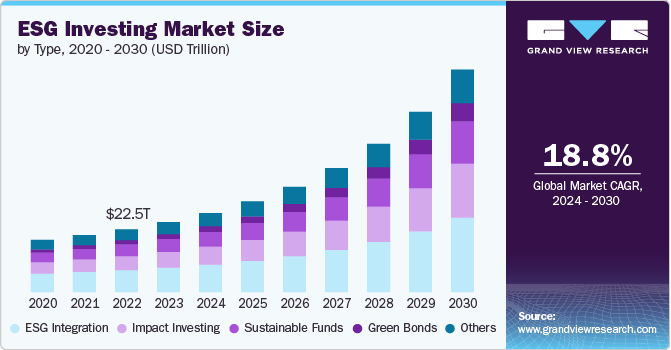
There are several types of green investing funds available to investors, each with its own unique focus and investment strategy. Some common types of green funds include:
1. Environmental Funds: These funds focus on investing in companies that are leading the way in environmental sustainability. This may include companies involved in renewable energy, clean technology, waste management, and conservation efforts. Environmental funds aim to support businesses that are making a positive impact on the environment and contribute to a more sustainable future.
2. Socially Responsible Funds: Socially responsible funds consider a company’s social impact in addition to its environmental practices. These funds may invest in companies that demonstrate a commitment to diversity and inclusion, labor rights, community development, and other social issues. By supporting socially responsible companies, these funds aim to promote positive social change.
3. Impact Investing Funds: Impact investing funds go beyond traditional ESG criteria to target investments that create measurable social or environmental impact. These funds may focus on specific issues such as climate change, poverty alleviation, or education. Impact investing funds seek to generate financial returns while also addressing critical social and environmental challenges.
In conclusion, there are several types of green investing funds available to investors, each with its own unique focus and investment strategy. By understanding the different types of green funds and their objectives, investors can choose the fund that best aligns with their values and financial goals.
Benefits of Investing in Green Funds
Investing in green funds offers a range of benefits for investors, including financial returns, diversification, and the opportunity to make a positive impact on the world. Some key benefits of investing in green funds include:
1. Competitive Financial Returns: Companies with strong ESG practices have been shown to outperform their peers over the long term. By investing in green funds that prioritize ESG criteria, investors may be able to achieve competitive financial returns while also supporting sustainable businesses. This dual benefit can help investors grow their wealth while making a positive impact on the world.
2. Diversification: Green funds often invest in a diverse range of companies across different industries and sectors. This diversification can help reduce risk in an investment portfolio by spreading exposure across a variety of assets. By investing in green funds, investors can benefit from the potential for financial returns while also diversifying their investment risk.
3. Aligning Values with Investments: Green funds allow investors to align their financial goals with their values. By investing in companies that are committed to sustainability and responsible business practices, investors can support businesses that are making a positive impact on the world. This alignment can provide investors with a sense of purpose and fulfillment in their investment decisions.
In summary, investing in green funds offers a range of benefits for investors, including competitive financial returns, diversification, and the opportunity to make a positive impact on the world. By understanding the benefits of green investing, investors can make informed decisions that support their financial goals and values.
Risks of Investing in Green Funds
While investing in green funds can offer a range of benefits, it is important for investors to be aware of the potential risks associated with these investments. Some common risks of investing in green funds include:
1. Volatility: Green funds may be more volatile than traditional investment funds due to their focus on ESG criteria. Factors such as regulatory changes, shifts in consumer preferences, and environmental events can impact the performance of green funds. Investors should be prepared for potential fluctuations in the value of their investments when investing in green funds.
2. Market Risk: Like any investment, green funds are subject to market risk. Economic conditions, industry trends, and market fluctuations can impact the performance of green funds. Investors should carefully consider their risk tolerance and investment objectives before investing in green funds to ensure they are comfortable with the potential market risks.
3. Impact Measurement: Measuring the impact of green funds can be challenging. While green funds aim to support companies that are making a positive impact on the world, quantifying this impact can be difficult. Investors should research the methodologies used by green funds to assess their impact and consider whether these metrics align with their own values and objectives.
In conclusion, investing in green funds comes with risks that investors should be aware of. By understanding the potential risks associated with green investing, investors can make informed decisions that align with their financial goals and risk tolerance.
How to Invest in Green Funds
Investing in green funds is a relatively straightforward process that can be done through various channels. Some common ways to invest in green funds include:
1. Mutual Funds: Many mutual fund companies offer green funds that focus on ESG criteria. Investors can research different mutual funds that align with their values and investment objectives and invest in these funds through a brokerage account or financial advisor.
2. Exchange-Traded Funds (ETFs): ETFs are similar to mutual funds but trade on stock exchanges like individual stocks. There are several green ETFs available to investors that provide exposure to companies with strong ESG practices. Investors can purchase shares of green ETFs through a brokerage account.
3. Robo-Advisors: Robo-advisors are automated investment platforms that use algorithms to create and manage investment portfolios. Some robo-advisors offer green investing options that align with ESG criteria. Investors can sign up for a robo-advisor account and opt for green investment strategies.
In summary, there are various ways to invest in green funds, including mutual funds, ETFs, and robo-advisors. By understanding the different investment channels available, investors can choose the option that best suits their preferences and financial goals.
Performance of Green Funds
The performance of green funds can vary depending on factors such as market conditions, industry trends, and fund management. While past performance is not indicative of future results, there are several factors to consider when evaluating the performance of green funds, including:
1. Comparative Returns: Investors should compare the returns of green funds to benchmark indices and similar investment funds. By analyzing the performance of green funds relative to their peers, investors can assess how well the fund has performed in different market conditions.
2. Risk-adjusted Returns: Risk-adjusted returns take into account the level of risk taken to achieve a certain level of return. Investors should consider the risk-adjusted returns of green funds to understand how much risk the fund has taken on to generate its performance. Funds that achieve higher returns with lower risk may be more attractive to investors.
3. Long-term Performance: Investors should evaluate the long-term performance of green funds to assess their ability to deliver consistent returns over time. By analyzing the historical performance of green funds, investors can gain insights into how the fund has performed in different market environments and economic cycles.
In conclusion, the performance of green funds can be evaluated based on factors such as comparative returns, risk-adjusted returns, and long-term performance. By analyzing these performance metrics, investors can make informed decisions about investing in green funds that align with their financial goals and risk tolerance.
Top Green Investing Funds
There are several top green investing funds that have garnered attention for their strong performance and commitment to environmental, social, and governance criteria. Some of the top green funds include:
1. Vanguard FTSE Social Index Fund: This fund invests in companies that meet certain social criteria, including environmental impact, labor practices, and community involvement. The fund aims to track the performance of the FTSE4Good US Select Index and has historically delivered competitive returns.
2. Parnassus Core Equity Fund: This fund focuses on companies with strong ESG practices and aims to generate competitive financial returns while making a positive impact on society. The fund has a long track record of outperforming its peers and has received recognition for its commitment to sustainable investing.
3. Calvert Impact Capital: This fund specializes in impact investing and targets investments that create measurable social and environmental impact. The fund focuses on sectors such as affordable housing, clean energy, and community development and has a strong track record of delivering both financial and social returns.
In summary, there are several top green investing funds that have demonstrated strong performance and a commitment to ESG criteria. By researching and investing in these top green funds, investors can potentially achieve competitive financial returns while supporting sustainable businesses and making a positive impact on the world.
Conclusion
In conclusion, green investing funds offer a unique opportunity for investors to align their financial goals with their values and make a positive impact on the world. By investing in