What are index funds and how do they work?
Index funds are a type of mutual fund or exchange-traded fund (ETF) that aims to replicate the performance of a specific market index, such as the S&P 500 or the Dow Jones Industrial Average. Instead of trying to beat the market by picking individual stocks, index funds passively track the performance of a particular index by holding the same stocks in the same proportions as the index. This passive investing approach is designed to provide investors with broad market exposure at a low cost.
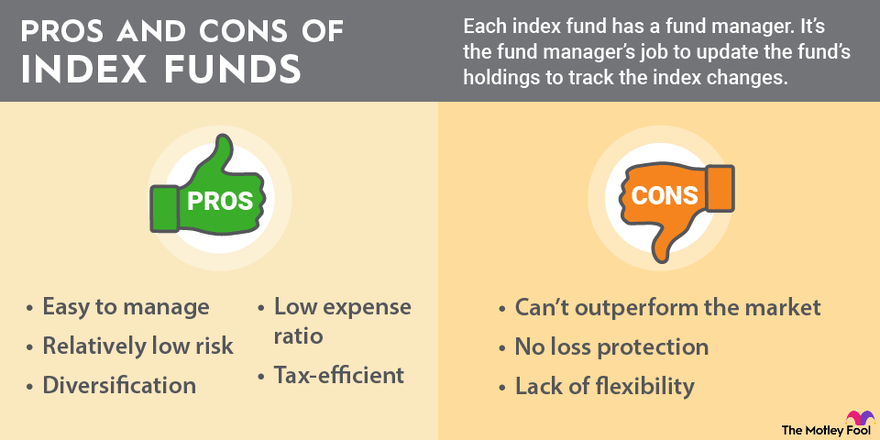
One of the key advantages of index funds is their low expense ratios, which are typically much lower than actively managed funds. Because index funds simply aim to match the performance of an index rather than outperform it, they require less active management, resulting in lower fees. This can lead to higher returns for investors over the long term, as fees can eat into investment returns.
Another benefit of index funds is their diversification. By investing in an index fund, investors gain exposure to a wide range of stocks within a specific index, reducing the risk of individual stock underperformance affecting their overall portfolio. This diversification helps to spread risk and can provide more stable returns over time.
Additionally, index funds are known for their tax efficiency. Because they have lower turnover rates compared to actively managed funds, index funds typically generate fewer capital gains distributions, which can result in lower tax liabilities for investors.
Why should you consider investing in index funds?
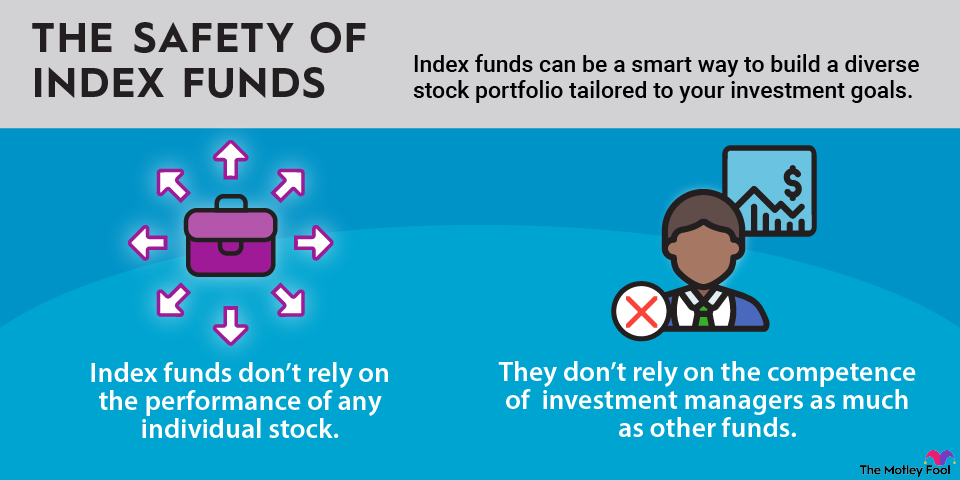
Investing in index funds can be a smart way to grow wealth over the long term for a number of reasons. One of the main advantages of index funds is their low cost. Because index funds passively track the performance of a specific index and require less active management, they have lower expense ratios compared to actively managed funds. This means more of your money stays invested and working for you, rather than being eaten up by fees.
Another reason to consider investing in index funds is their simplicity. With an index fund, you can gain exposure to a wide range of stocks within a specific index with just one investment. This makes it easy for investors to diversify their portfolios without having to spend time and effort researching and selecting individual stocks.

Index funds also offer broad market exposure, which can help mitigate risk in your investment portfolio. By investing in an index fund, you are effectively spreading your risk across a wide range of stocks within a specific index, reducing the impact of any one stock underperforming on your overall returns. This diversification can help provide more stable returns over time, even in periods of market volatility.
Additionally, index funds are known for their consistent performance over the long term. While individual stocks may experience periods of volatility or underperformance, index funds tend to provide more stable returns over time as they track the performance of a specific market index. This can help investors achieve their long-term financial goals without having to worry about constantly monitoring and adjusting their investments.
How to choose the right index funds for your investment goals?

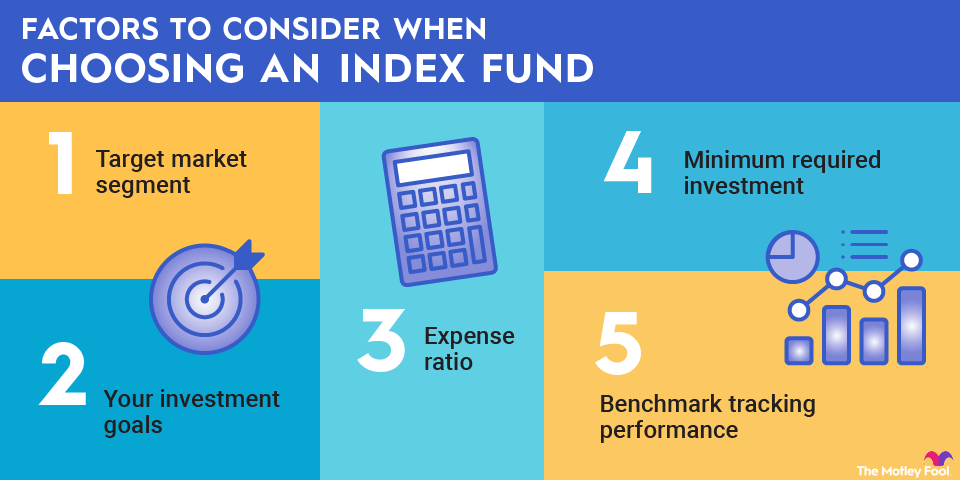
When choosing index funds for your investment portfolio, it’s important to consider your investment goals, risk tolerance, and time horizon. Different index funds track different market indexes, so it’s essential to select funds that align with your investment objectives. For example, if you’re looking for broad market exposure, you might consider investing in an index fund that tracks the S&P 500 or the total stock market. On the other hand, if you’re looking to invest in a specific sector or region, there are index funds available that track those particular indexes as well.
It’s also crucial to consider the expense ratio of the index fund. Lower expense ratios can help minimize costs and maximize your investment returns over time. Look for index funds with expense ratios that are competitive and in line with industry standards. Keep in mind that even small differences in expense ratios can have a significant impact on your investment returns over the long term.
Another factor to consider when choosing index funds is the fund’s tracking error. Tracking error measures how closely the fund’s performance aligns with the performance of the index it tracks. Lower tracking error indicates that the fund is closely tracking the index, while higher tracking error may indicate that the fund is deviating from the index’s performance. It’s essential to select index funds with low tracking error to ensure that you’re getting the returns you expect.
Lastly, consider the fund’s historical performance and its volatility. While past performance is not indicative of future results, looking at how the fund has performed in the past can give you an idea of its potential returns and risk level. Additionally, consider the fund’s volatility, as this can impact your investment returns and overall portfolio risk. Choose index funds that align with your risk tolerance and investment goals to build a well-diversified portfolio.
Benefits of using index funds for long-term wealth building
Index funds are a popular choice for long-term wealth building for several reasons. One of the key benefits of using index funds for long-term investing is their low cost. Index funds have lower expense ratios compared to actively managed funds, which can help maximize your investment returns over time. By keeping costs low, more of your money stays invested and working for you, rather than being eroded by fees.
Another advantage of index funds for long-term wealth building is their broad market exposure. By investing in an index fund, you gain exposure to a wide range of stocks within a specific index, which can help mitigate risk and provide more stable returns over time. This diversification can help protect your investment portfolio from the volatility of individual stocks and sectors, ultimately helping you achieve your long-term financial goals.
Index funds are also known for their tax efficiency, which can be beneficial for long-term investors. Because index funds have lower turnover rates compared to actively managed funds, they typically generate fewer capital gains distributions, resulting in lower tax liabilities for investors. This tax efficiency can help maximize your after-tax returns and grow your wealth more effectively over the long term.
Additionally, index funds are easy to manage and require minimal effort on the part of investors. With an index fund, you don’t need to constantly monitor and adjust your investments, as the fund passively tracks the performance of a specific index. This hands-off approach can save you time and energy, allowing you to focus on other aspects of your financial planning and wealth building strategies.
Common misconceptions about index funds
Despite their growing popularity and numerous benefits, index funds are still subject to some common misconceptions. One of the most prevalent misconceptions about index funds is that they are only suitable for passive investors who want to set and forget their investments. While index funds are known for their passive investing approach, they can be a valuable addition to any investor’s portfolio, regardless of their investment style or strategy.
Another misconception about index funds is that they lack the potential for outperformance compared to actively managed funds. While index funds aim to match the performance of a specific market index rather than outperform it, they have consistently shown competitive returns over the long term. In fact, many actively managed funds underperform their benchmarks, making index funds an attractive option for investors looking for consistent, low-cost returns.
Some investors also believe that index funds are overly risky or lack diversification. In reality, index funds provide broad market exposure by holding a wide range of stocks within a specific index, which can help mitigate risk and provide more stable returns over time. By investing in index funds that track different indexes, investors can achieve a high level of diversification and reduce the impact of individual stock underperformance on their overall portfolio.
Overall, it’s important for investors to separate fact from fiction when it comes to index funds and understand the benefits and limitations of this investment option. By debunking common misconceptions and gaining a deeper understanding of how index funds work, investors can make informed decisions about incorporating these funds into their long-term wealth-building strategies.
How to maximize returns with index funds
When it comes to maximizing returns with index funds, there are several strategies that investors can consider. One key strategy is to invest regularly and consistently in index funds over time. By dollar-cost averaging into your investments, you can take advantage of market fluctuations and potentially buy more shares when prices are lower. This can help smooth out market volatility and potentially increase your long-term returns.
Another strategy to maximize returns with index funds is to reinvest your dividends. Many index funds pay dividends to investors based on the performance of the underlying stocks in the index. By reinvesting these dividends back into the fund, you can compound your returns over time and potentially accelerate the growth of your investment portfolio. Reinvesting dividends can help boost your overall returns and build wealth more effectively over the long term.
Additionally, consider the power of compounding when investing in index funds. Compound interest is the concept of earning interest on your initial investment as well as on any interest or dividends that accumulate over time. By reinvesting your returns and allowing your investments to grow over the long term, you can take advantage of compounding to potentially achieve higher returns and build wealth more efficiently.
Lastly, it’s essential to stay disciplined and stick to your long-term investment strategy when investing in index funds. Market fluctuations and short-term volatility can tempt investors to make emotional decisions, such as selling during a market downturn or trying to time the market. By staying focused on your investment goals and maintaining a long-term perspective, you can weather market fluctuations and maximize your returns with index funds over time.
FAQ
1. Are index funds a good investment for beginners?
Index funds can be an excellent investment option for beginners due to their simplicity, low cost, and diversification benefits. By investing in index funds, beginners can gain exposure to a wide range of stocks within a specific index without the need for individual stock selection or active management. Additionally, index funds typically have lower expense ratios compared to actively managed funds, making them a cost-effective way for beginners to start investing.
2. How do index funds compare to actively managed funds?
Index