What is Gap Insurance?
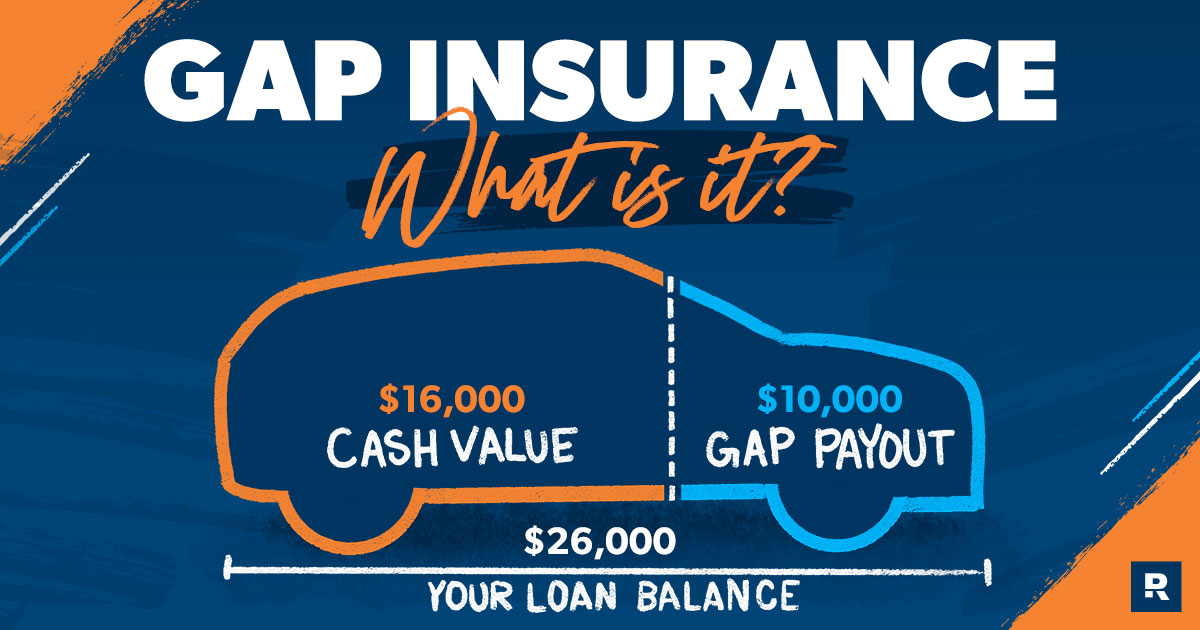
Gap insurance, also known as guaranteed asset protection insurance, is a type of insurance that covers the difference between the amount you owe on your car loan or lease and the actual cash value of your vehicle. In the event of a total loss, such as theft or a serious accident, your car insurance company will only cover the current market value of your vehicle. This can leave you with a significant financial gap to cover, especially if you have a high-interest loan or lease. Gap insurance helps protect you from having to pay out of pocket for this difference.
Do I Need Gap Insurance?
Whether or not you need gap insurance depends on your individual financial situation and the terms of your car loan or lease. If you owe more on your vehicle than it is worth, gap insurance can provide you with peace of mind knowing that you won’t be left with a hefty bill in the event of a total loss. Additionally, if you have a high-interest loan or lease, the gap between the actual cash value of your vehicle and what you owe may be substantial. In these cases, gap insurance can be a wise investment.
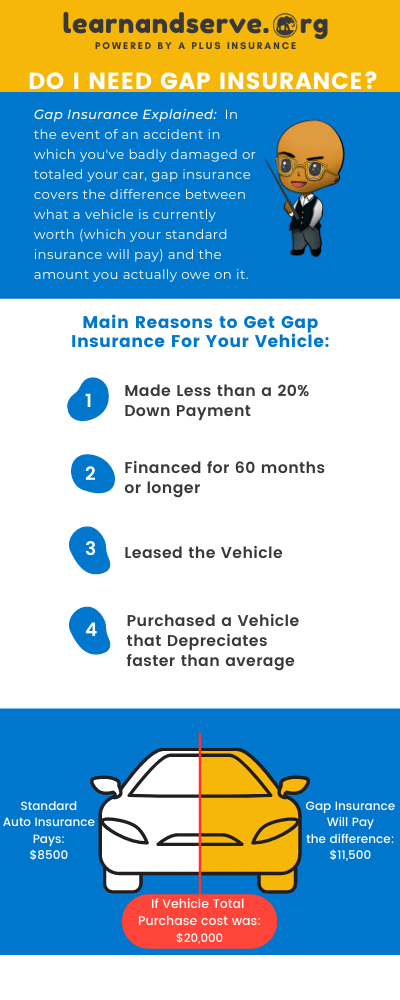
However, if you have a low-interest loan, or if you have enough savings to cover the potential gap in the event of a total loss, you may not need gap insurance. It’s important to carefully consider your financial situation and the terms of your loan or lease before deciding whether or not to purchase gap insurance.
How Does Gap Insurance Work?
Gap insurance typically kicks in after your primary car insurance has paid out the actual cash value of your vehicle in the event of a total loss. The gap insurance policy will cover the difference between what you owe on your loan or lease and the actual cash value of your vehicle. This can help you avoid being stuck with a significant financial burden if your car is totaled.

It’s important to note that there may be certain limitations and exclusions in your gap insurance policy, so it’s essential to carefully review the terms and conditions before purchasing a policy. Additionally, some gap insurance policies may have a deductible that you will need to meet before the coverage kicks in. Be sure to understand all the details of your gap insurance policy to ensure you are adequately protected.
Where Can I Get Gap Insurance?
Gap insurance can typically be purchased through your car dealership, your auto insurance provider, or a standalone gap insurance provider. It’s essential to compare quotes from different providers to ensure you are getting the best coverage at the best price. Some car dealerships may offer gap insurance as part of your financing package, but it’s essential to carefully review the terms and pricing to ensure you are getting a good deal.
Additionally, you may be able to add gap insurance to your existing car insurance policy as a rider or endorsement. This can be a convenient option if you already have a relationship with an insurance provider. Standalone gap insurance providers may also offer competitive rates and coverage options, so be sure to shop around to find the best policy for your needs.
How Much Does Gap Insurance Cost?
The cost of gap insurance can vary depending on the provider, your vehicle, the terms of your loan or lease, and your driving history. On average, gap insurance can cost between $200 and $600 per year, but this can vary significantly based on these factors. Some car dealerships may offer gap insurance at a higher price, so it’s essential to compare quotes from different providers to ensure you are getting a good deal.
It’s important to factor in the cost of gap insurance when considering your overall car ownership expenses. While gap insurance can provide valuable coverage in the event of a total loss, it’s essential to ensure that the cost fits within your budget and provides a good value for the coverage offered.
When Should I Purchase Gap Insurance?
It’s generally recommended to purchase gap insurance at the time you finance or lease your vehicle. This is because the gap between the actual cash value of your vehicle and what you owe is typically the largest at the beginning of the loan or lease term. By purchasing gap insurance early on, you can ensure that you are protected from the start of your ownership.
However, you may also be able to add gap insurance to your existing car insurance policy at any time during your ownership. Be sure to carefully review the terms and conditions of the policy to understand when coverage begins and what is covered. It’s never too late to purchase gap insurance if you feel it is necessary to protect your financial investment in your vehicle.
Conclusion
In conclusion, gap insurance can be a valuable investment for many car owners, especially those who owe more on their vehicles than they are worth or have high-interest loans or leases. By covering the difference between the actual cash value of your vehicle and what you owe, gap insurance can provide financial protection in the event of a total loss. It’s essential to carefully review your individual financial situation and the terms of your loan or lease to determine if gap insurance is right for you. Additionally, comparing quotes from different providers can help you find the best coverage at the best price. Ultimately, gap insurance can provide peace of mind knowing that you won’t be left with a significant financial burden if the unexpected happens.