Understanding Ethical Investing
Ethical investing, also known as socially responsible investing (SRI), is a strategy that considers both financial return and ethical considerations when making investment decisions. This approach involves investing in companies that align with your values and beliefs, such as those that promote environmental sustainability, social justice, or corporate governance. By choosing to invest ethically, you can support companies that are making a positive impact on society while also potentially earning a competitive return on your investment.
One of the key principles of ethical investing is to avoid investing in companies that engage in unethical practices, such as environmental pollution, human rights violations, or unethical labor practices. Instead, ethical investors seek out companies that demonstrate a commitment to responsible business practices and sustainability. These companies may have strong environmental policies, diverse and inclusive workplaces, or transparent and ethical leadership.
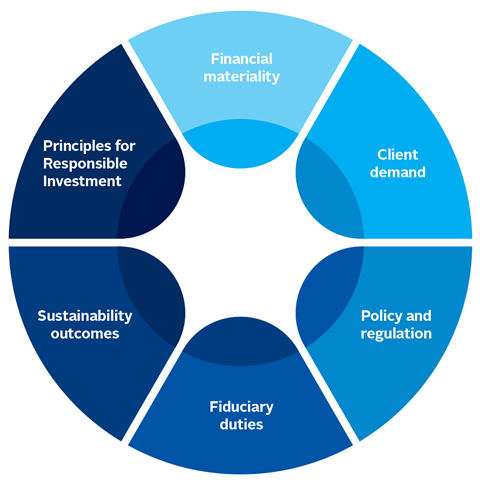
When considering ethical investments, it’s important to conduct thorough research and due diligence to ensure that the companies you are investing in align with your ethical values. This may involve reviewing company reports, sustainability profiles, and corporate social responsibility initiatives. By taking the time to research and select ethical investments, you can feel confident that your money is being used to support positive social and environmental outcomes.
Benefits of Ethical Investing
There are several benefits to ethical investing beyond just the financial returns. By investing in companies that align with your values, you can feel good about where your money is going and the impact it is having on the world. Ethical investing can also help drive positive change by supporting companies that are working towards a more sustainable and equitable future. Additionally, ethical investing can help reduce the risk of investing in companies that may be exposed to legal or reputational risks due to unethical practices.
Another benefit of ethical investing is the potential for competitive returns. Studies have shown that companies with strong environmental, social, and governance (ESG) practices tend to outperform their peers over the long term. By investing in companies that value sustainability and ethical practices, you may be able to achieve both financial and ethical goals simultaneously.
Furthermore, ethical investing can help diversify your investment portfolio and reduce overall risk. By spreading your investments across companies that are aligned with different ethical values, you can mitigate the impact of any one company or industry underperforming. This can help protect your investments and provide more stability in times of market volatility.
How to Start Ethical Investing
If you’re interested in getting started with ethical investing, there are several steps you can take to ensure you are making informed and responsible investment decisions. The first step is to define your ethical values and priorities. Consider what issues are most important to you, whether it’s environmental sustainability, social justice, or corporate governance. By clarifying your values, you can better align your investments with your beliefs.
Next, research ethical investment options and products to find ones that align with your values. There are a variety of ethical investment funds, exchange-traded funds (ETFs), and individual stocks that focus on different ESG criteria. Look for funds that have a strong track record of ethical performance and transparent investment practices. You can also work with a financial advisor who specializes in ethical investing to help guide your decisions.
Once you have identified potential ethical investments, it’s important to conduct thorough due diligence to ensure they meet your criteria. Review company reports, sustainability profiles, and ESG ratings to assess their ethical performance. You can also consider engaging with companies directly to ask questions about their practices and policies. By taking the time to research and select ethical investments, you can feel confident in the positive impact your money is making.
Top Ethical Investing Tips
1. Diversify your portfolio: By investing in a diverse range of ethical companies and industries, you can reduce risk and maximize potential returns.
2. Consider ESG ratings: Look for companies with strong environmental, social, and governance practices to ensure they align with your ethical values.
3. Stay informed: Keep up to date on the latest ethical investing trends and opportunities to make informed investment decisions.
4. Engage with companies: Consider engaging with companies directly to ask questions about their ethical practices and policies.
5. Work with a financial advisor: Seek out a financial advisor who specializes in ethical investing to help guide your investment decisions.
6. Monitor your investments: Regularly review the performance and impact of your ethical investments to ensure they continue to align with your values.
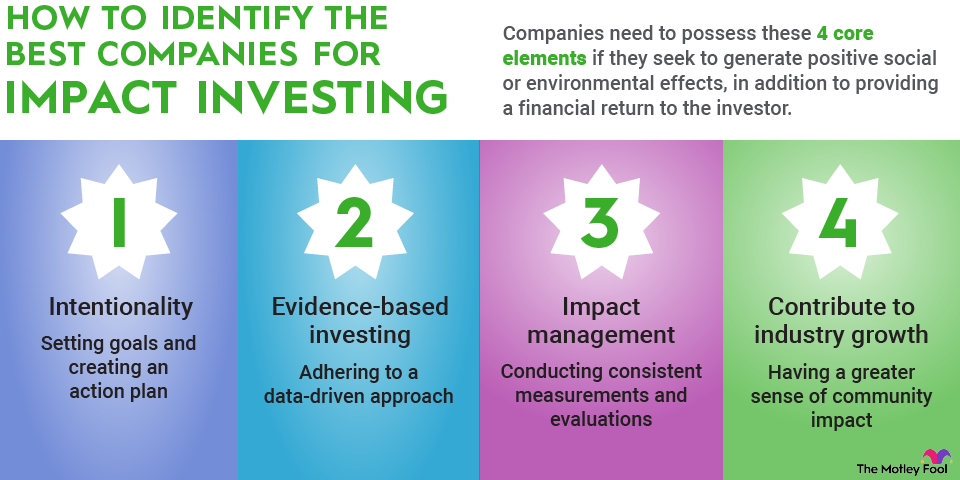
7. Support impact investing: Consider investing in companies that have a clear and measurable impact on social or environmental issues.
8. Be patient: Ethical investing is a long-term strategy, so be patient and stay committed to your values and goals.
Conclusion
Ethical investing offers a unique opportunity to support companies that align with your values while potentially earning competitive returns. By understanding the principles of ethical investing, exploring the benefits, and following top tips for getting started, you can make informed and responsible investment decisions that have a positive impact on society and the environment. Whether you’re new to ethical investing or looking to enhance your current portfolio, there are plenty of opportunities to align your investments with your values and make a difference in the world. Start your ethical investing journey today and watch your money make a meaningful impact.