Understanding cryptocurrency taxes
Cryptocurrency has become increasingly popular in recent years, with many people investing in digital assets like Bitcoin, Ethereum, and Litecoin. However, one thing that often gets overlooked is the tax implications of owning and trading cryptocurrencies. The IRS treats cryptocurrencies as property, which means that they are subject to capital gains tax. This means that anytime you sell or trade a cryptocurrency, you are required to report the transaction and pay taxes on any gains that you have made. It’s important to keep accurate records of all your cryptocurrency transactions, including the date, amount, and price at the time of the transaction.
One important thing to note is that the IRS considers cryptocurrency to be a form of property, which means that it is subject to capital gains tax. This means that anytime you sell or trade a cryptocurrency, you are required to report the transaction and pay taxes on any gains that you have made. If you hold onto a cryptocurrency for more than a year before selling or trading it, you may qualify for long-term capital gains tax rates, which are typically lower than short-term capital gains tax rates. It’s important to keep accurate records of all your cryptocurrency transactions, including the date, amount, and price at the time of the transaction.

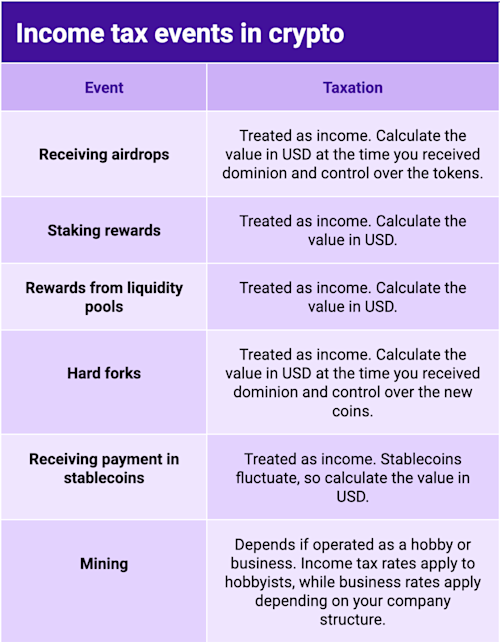
Another important thing to keep in mind is that the IRS requires you to report any income that you earn from mining cryptocurrencies. This includes both the value of any coins that you mine as well as any fees that you receive for mining. It’s important to keep track of all your mining income and report it accurately on your tax return. Failure to report your mining income could result in penalties and fines from the IRS.
Keeping accurate records
One of the most important things you can do to ensure that you are in compliance with cryptocurrency tax laws is to keep accurate records of all your transactions. This includes keeping track of the date, amount, and price of each transaction, as well as any fees that you may have paid. You should also keep track of your mining income, including the value of any coins that you mine and any fees that you receive for mining. By keeping accurate records, you can easily report your cryptocurrency transactions on your tax return and ensure that you are paying the correct amount of taxes.
It’s also important to keep track of your cost basis for each cryptocurrency that you own. Your cost basis is the price that you paid for the cryptocurrency, including any fees that you may have paid. When you sell or trade a cryptocurrency, you will need to calculate your capital gains or losses based on the the price you sold it for compared to your cost basis. By keeping track of your cost basis, you can accurately report your capital gains or losses on your tax return and avoid any potential issues with the IRS.
Taking advantage of tax deductions
One way to potentially reduce your tax liability on cryptocurrency transactions is to take advantage of tax deductions that are available to investors. If you are actively trading cryptocurrencies, you may be able to deduct certain expenses related to your trading activities, such as trading fees or the cost of any software or tools that you use to manage your investments. You may also be able to deduct any losses that you incur from trading cryptocurrencies, which can help offset any gains that you have made.

Another potential tax deduction that you may be able to take advantage of is the home office deduction. If you use a portion of your home exclusively for trading cryptocurrencies, you may be able to deduct a portion of your home expenses, such as rent or mortgage interest, utilities, and insurance. It’s important to keep detailed records of your expenses and consult with a tax professional to determine if you qualify for the home office deduction.
Additionally, if you donate any cryptocurrencies to a qualified charitable organization, you may be able to deduct the fair market value of the donation on your tax return. However, it’s important to keep accurate records of the donation and obtain a written acknowledgment from the charity in order to claim the deduction.
Managing your tax liability
One of the keys to successful cryptocurrency investing is managing your tax liability. By staying organized and keeping accurate records of all your transactions, you can ensure that you are in compliance with IRS guidelines and avoid any potential issues down the road. It’s important to consult with a tax professional who is knowledgeable about cryptocurrency tax laws to help you navigate the complexities of reporting your cryptocurrency transactions.
Another important thing to keep in mind is that the IRS requires you to report any income that you earn from mining cryptocurrencies. This includes both the value of any coins that you mine as well as any fees that you receive for mining. It’s important to keep track of all your mining income and report it accurately on your tax return. Failure to report your mining income could result in penalties and fines from the IRS.
When it comes to managing your tax liability, it’s important to be proactive and stay informed about changes to cryptocurrency tax laws. By staying ahead of the game and seeking out professional advice when needed, you can ensure that you are paying the correct amount of taxes and avoiding any potential issues with the IRS.
Seeking professional advice
Navigating the world of cryptocurrency taxes can be complex and overwhelming, which is why it’s important to seek out professional advice from a tax professional who is knowledgeable about cryptocurrency tax laws. A tax professional can help you understand your tax obligations, identify potential deductions that you may qualify for, and ensure that you are in compliance with IRS guidelines. They can also help you develop a tax strategy that minimizes your tax liability and maximizes your potential for financial success.
When choosing a tax professional, it’s important to look for someone who has experience working with cryptocurrency investors and understands the unique challenges that they face. Ask for referrals from other cryptocurrency investors, and make sure to interview potential candidates to ensure that they have the expertise and knowledge that you need. By working with a tax professional who understands cryptocurrency tax laws, you can feel confident that you are in good hands and are making informed decisions about your tax obligations.
Staying compliant with IRS guidelines
One of the most important things you can do to ensure that you are in compliance with IRS guidelines is to report all your cryptocurrency transactions accurately and timely. This includes reporting any gains or losses from trading or selling cryptocurrencies, as well as any income that you earn from mining. Failure to report your cryptocurrency transactions can result in penalties and fines from the IRS, so it’s important to stay on top of your tax obligations and keep accurate records of all your transactions.
It’s also important to stay informed about changes to cryptocurrency tax laws and regulations. The IRS is constantly updating its guidelines for reporting cryptocurrency transactions, so it’s important to stay up to date on any changes that may affect your tax liability. By staying informed and seeking out professional advice when needed, you can ensure that you are in compliance with IRS guidelines and avoid any potential issues with the tax authorities.
Conclusion
In conclusion, navigating the world of cryptocurrency taxes can be complex and overwhelming, but by following these tax tips and staying informed about IRS guidelines, you can ensure that you are in compliance with tax laws and maximize your potential for financial success. By understanding your tax obligations, keeping accurate records, taking advantage of tax deductions, and seeking professional advice when needed, you can navigate the world of cryptocurrency taxes with confidence. Remember to stay proactive, stay informed, and seek out professional advice when needed to ensure that you are paying the correct amount of taxes and avoiding any potential issues with the IRS.